Color Grading Carousel · 9 slides
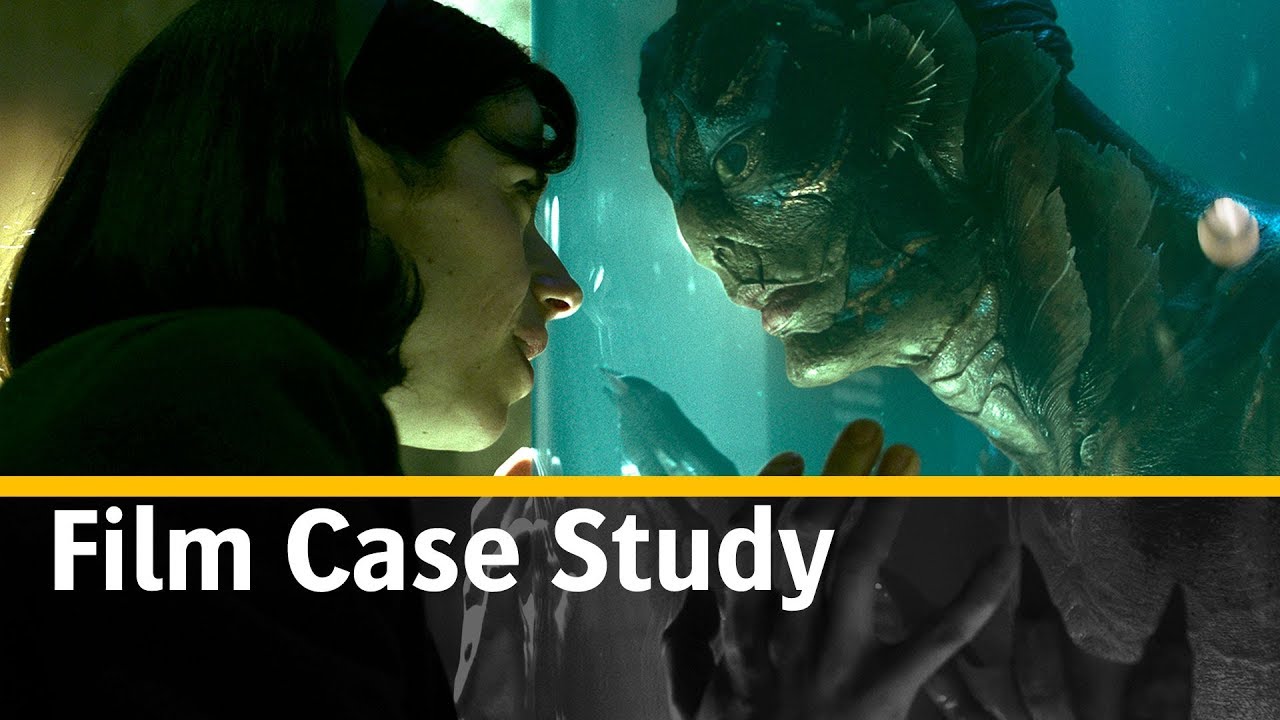
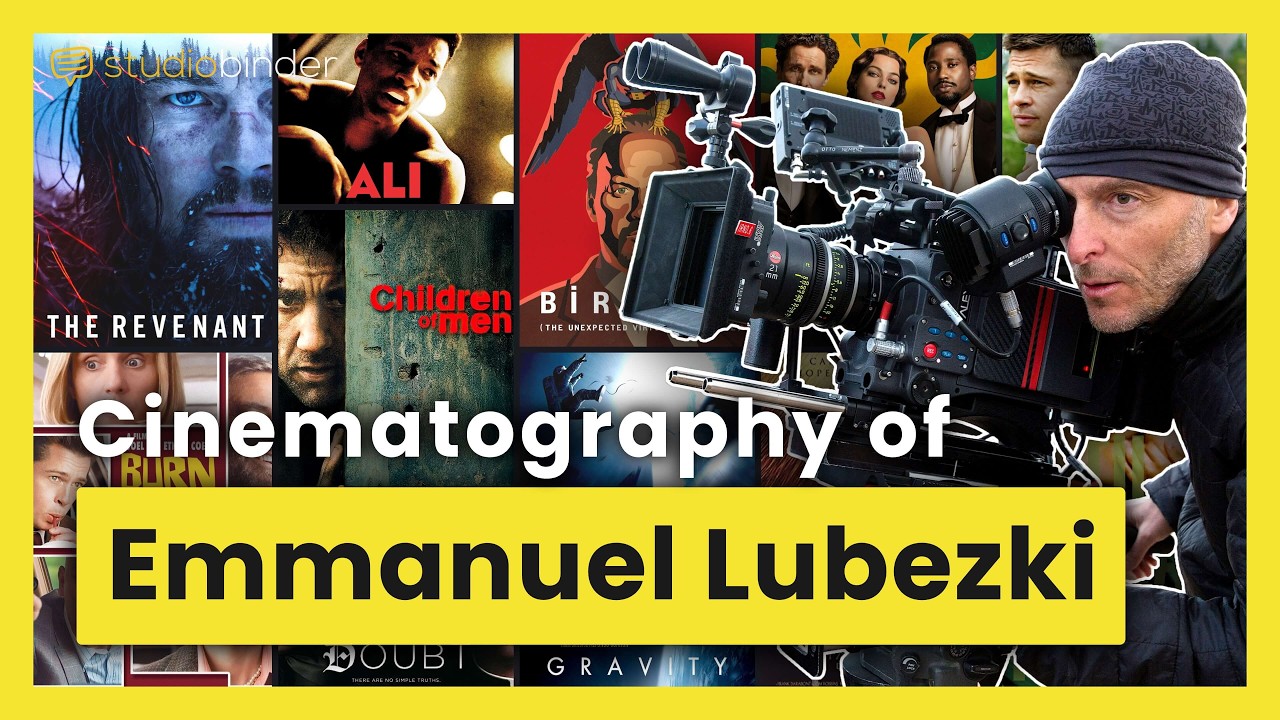
Color Grading: Painting Emotion After the Shoot
Color grading turns correctly exposed footage into a feeling, separating worlds, tracking storylines and guiding the eye without a word of dialogue.
Read story 2 minA journal of cinema & filmmaking
Scene theory, cinematic craft and the world's great film cultures, explained with care. For people who want to know how cinema works, and why it moves us.
Start readingLatest stories
Color Grading Carousel · 9 slides
Color grading turns correctly exposed footage into a feeling, separating worlds, tracking storylines and guiding the eye without a word of dialogue.
Read story 2 minScreenwriting Carousel · 9 slides
Screening room
Cinema explained
42 terms from the language of filmmaking, explained in plain words with examples from world cinema.
Term of the day · Acting
The smallest unit of change in a scene, or a written pause in dialogue.
Read the full entryThe craft of filmmaking
Nine disciplines, one frame. Each has its own library of stories, breakdowns and glossary terms.
World cinema
Film history moves in waves. Pick a region to read the movement that put it on the world's screens.
Out of the rubble of the Second World War, Italian directors took their cameras into the streets. They cast non-professional actors, shot on location, and told stories about ordinary people and hard work.
The movement proved that a film could be made with almost nothing and still move the entire world.
A group of film critics picked up lightweight cameras and broke the rules they had written about. Jump cuts, handheld shots and characters who talk to the camera became a new grammar.
They championed the idea of the director as author, the auteur.
Japanese studios produced a run of masterpieces that won the top prizes at Venice and Cannes. Rashomon's Golden Lion in 1951 opened the West's eyes.
The range was enormous: samurai epics, quiet family dramas, and ghost stories.
India makes more films than any other country, in more than a dozen languages. Alongside the song-and-dance mainstream, Ray's Apu trilogy launched a realist parallel cinema.
In the Telugu industry, mythological spectacles like Mayabazar (1957) grew into the global epics of S. S. Rajamouli.
After censorship eased in the 1990s, a generation of Korean directors mixed genres with fearless energy: thrillers that turn into comedies, horror that becomes social critique.
The wave peaked when Parasite won both the Palme d'Or and the Oscar for Best Picture.
Working under strict censorship, Iranian filmmakers turned limits into poetry. Children, long car journeys and blurred lines between fiction and documentary became signatures.
Their films show how much can be said with very little.
Soviet filmmakers argued that meaning comes from the collision of two shots. Editing, rather than the single image, became the heart of cinema.
The Odessa Steps sequence in Battleship Potemkin is still taught in every film school.